Modern dentistry is incredible, including modern dental implants. Tooth decay, accidents and injuries that once would have left someone with a gap in their smile that they could never fill can now be treated so that everything looks and works about as good as new. In many cases, those teeth can even be saved through root canal therapy. When that isn’t possible, dental implants are an effective way to fill in the gaps after tooth loss and maintain a similar feel and function to natural teeth.
Tooth Loss: A Common Struggle
Research shows that more than a third of adults aged 65 or older have lost at least six teeth, and around one in ten have no natural teeth left. The most common reasons for losing a tooth, multiple teeth, or even all of them are dental decay (cavities), periodontal disease, or trauma.
Roughly one in every five adults aged 33 to 44 has some form of gum disease. Good oral hygiene habits such as twice-daily brushing for two full minutes with fluoride toothpaste and cleaning between the teeth daily are critical to preventing tooth loss. They’re also important for keeping dental implants in good condition and promoting their long-term success rates.
How Implants Compare to Dentures
Dentures have been a solution for missing teeth for centuries, but they have a few notable flaws. When we use our own teeth to chew, it stimulates the jaw bone and keeps it strong. Dentures aren’t very effective at providing this stimulation, resulting in bone loss in the jaws. This, in turn, can lead to the dentures not fitting very well, so they can slip and fall out easily and leave the gums feeling sore.
Implants, on the other hand, are artificial tooth roots placed into the jawbone, where they function the same way as the roots of natural teeth. Implants greatly reduce the risk of bone loss, and they won’t slip and slide while you’re trying to chew your food or have a conversation. Taking care of implants is the same as taking care of natural teeth. True, the price can be higher with implants than dentures, but that’s pretty much the only advantage removable dentures have as replacement teeth. You can compare both options on our prices page.
Different Types of Implants
Dental implants come in different types, depending on the needs and budget of the individual patient. Endosteal implants are the most common choice for patients with strong, healthy jaws. They consist of titanium posts inserted into the jaw through a minor surgical procedure. Once the site has had time to heal and integrate with the bone, a crown that matches the other teeth is attached.
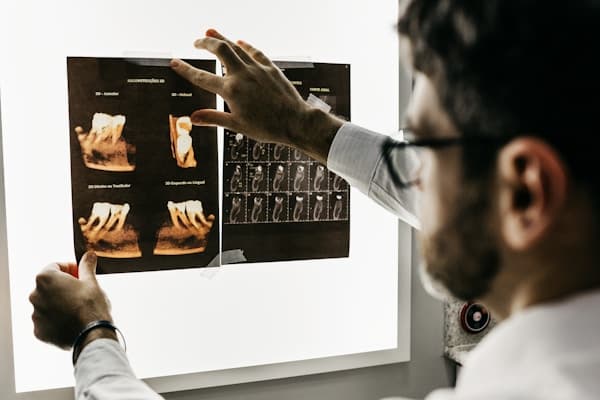
If the patient doesn’t have enough healthy jaw bone to support standard implants, bone grafting or alternative implant designs may still make treatment possible. At Easy Dental we plan every case with a 3D CBCT scan and guided surgery, so Dr. Banica can see exactly how much bone is available before anything is placed. See real cases in our implants gallery.
Dental Implants and Braces?
Braces generally come first for patients who need both orthodontic treatment and implants. Unlike natural teeth, implants do not move once they’re in place. In some cases, however, an implant can be placed before or during orthodontic treatment so that it can serve as an anchor to help the other teeth move to the desired positions.
Are Implants Right for You?
Millions of people get dental implants to fill the gaps in their smiles every year. If you’d like to learn more about this excellent modern solution to an age-old dental problem and find out if dental implant treatment could be part of your plan, we’re happy to answer your questions. We’re located at 44 Old Hall Street in Liverpool city centre, and offer a free initial implant consultation so you can explore your options without pressure.
Our favourite smiles are our patients’!
Ready to talk to a dentist in Liverpool?
Easy Dental is at 44 Old Hall Street, Liverpool, L3 9PP, open until 6:30pm on weekdays and on Saturdays. New patients are always welcome.